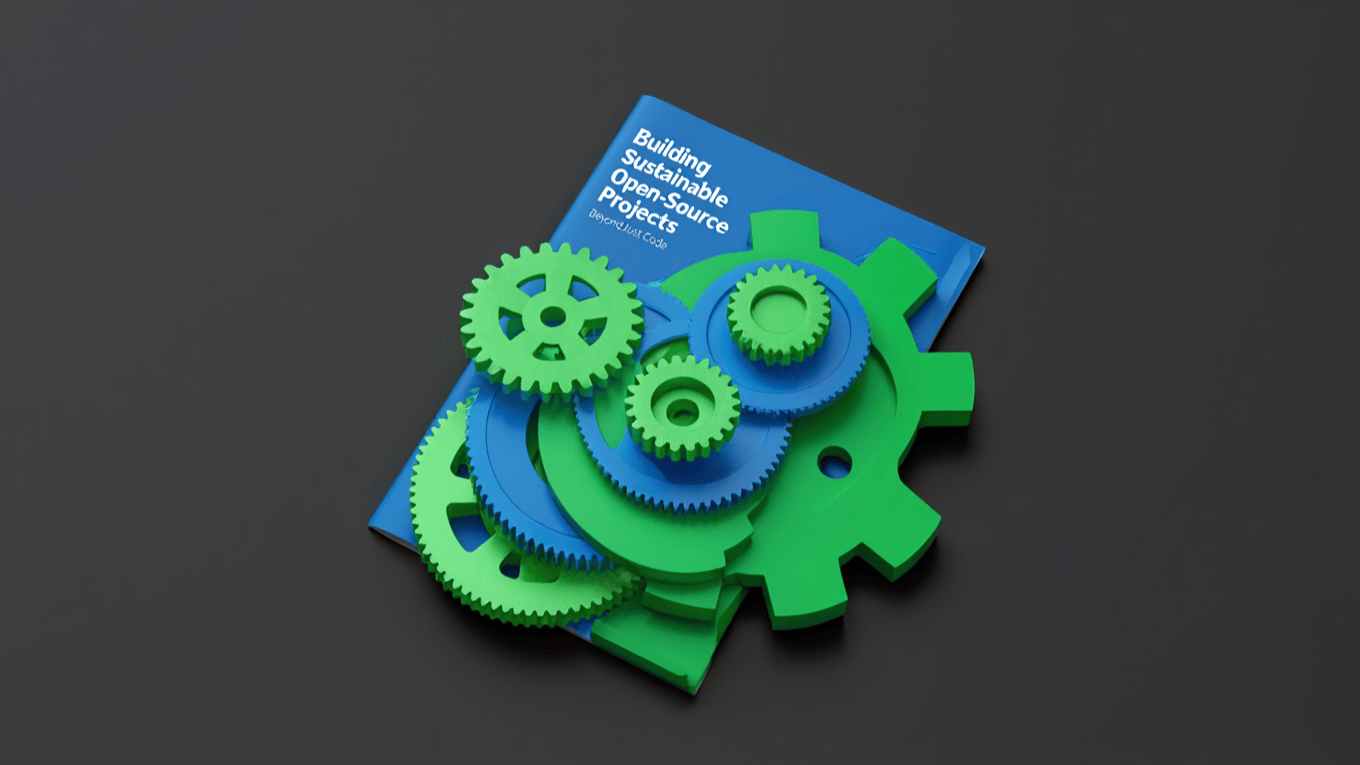
Open-source isn’t just about publishing code on GitHub—it’s about creating ecosystems where people collaborate, innovate, and grow together. Yet, many projects fade away because they lack a long-term vision, sustainable support, or strong community engagement.
Here are key pillars for ensuring long-term sustainability, with real-world examples:
🔹 Clear Governance
A transparent governance model helps balance organizational control with community participation.
👉 Example: Kubernetes established a steering committee and Special Interest Groups (SIGs) to ensure decisions are made openly, with input from both companies and individual contributors.
🔹 Inclusive Onboarding
Lowering entry barriers is crucial. Documentation, contribution guides, and mentorship keep newcomers engaged.
👉 Example: Laravel provides detailed documentation, starter projects, and a vibrant ecosystem, making it easier for developers of all levels to join in.
🔹 Community-First Mindset
Recognizing contributions and fostering diversity ensures long-term health.
👉 Example: Linux Foundation celebrates contributors globally, creating one of the largest, most diverse developer communities in the world.
🔹 Reliable Support & Funding
Projects need stable resources to grow. Sponsorships, grants, and dedicated maintainers provide long-term support.
👉 Example: OpenSSL nearly collapsed until the Core Infrastructure Initiative (CII) funded full-time developers after the Heartbleed bug, showing the importance of reliable backing.
🔹 Shared Vision & Roadmap
A clear vision keeps contributors aligned.
👉 Example: Apache Software Foundation projects publish public roadmaps and rely on a “community over code” philosophy to ensure alignment with both business and community needs.
🔹 Leadership Growth
Investing in people creates resilience.
👉 Example: Python smoothly transitioned leadership when Guido van Rossum stepped down, thanks to a governance model that encouraged shared responsibility.
✨ At the heart of it all is trust, transparency, and shared ownership.
When organizations and communities truly collaborate, open-source projects don’t just survive—they flourish for decades.